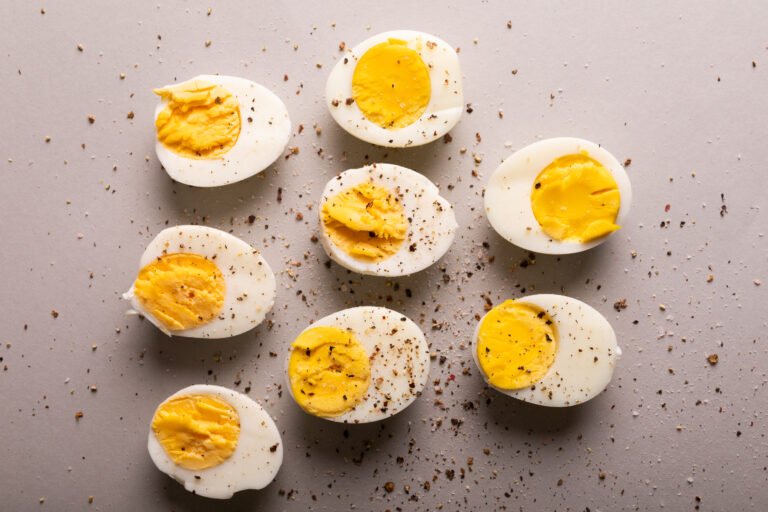
What you eat can support how you feel, but food is a helper, not a treatment. Research is showing that your gut and brain are closely linked, and that a varied diet with plenty of fibre supports a healthy gut. Eggs can be a simple part of that picture, because they contain choline and vitamin B12, which your nervous system uses, along with protein and small amounts of vitamin D. Here is what we know, what we do not know yet, and how to fit eggs into easy everyday meals.
Can Your Diet Affect Your Stress and Mood?
Good diet can help manage stress levels. we all know having a healthy gut is linked with better mood and stress management, so choosing foods which help with growth of healthy bacteria will assist with this, and the way the body feels day to day. this suggests including many fibre rich foods, and foods rich in antioxidants and polyphenols.
If your body isn’t feeling as healthy because it should, it’s going to be harder to manage stress. Research has shown that low fibre, high fat diets can change your gut bacteria in as little as a couple of days!
If your diet is deficient in certain nutrients, like choline or vitamin D you’ll notice worse stress levels. Both choline and vitamin D as both are linked with better stress management and may be found in everyday household food items like eggs.

Can Eating Better Help With Low Mood?
Early research suggests that improving overall eating habits, with the help of a dietitian, may help some adults with depression when it is used alongside their usual care. The research so far is small, so food should be one helpful piece of the picture, never a replacement for professional treatment.
It is also worth knowing that some popular ideas, such as the belief that carbohydrate rich comfort food lifts your mood through serotonin, are not supported by what we know about a normal diet. A steady, varied, mostly whole food pattern is the safer bet than chasing any single food.
What are the simplest diet choices to assist reduce stress?
Include many fibre rich foods, like wholegrains, fruit, vegetables and legumes. Ensure your plate is crammed with a rainbow of colors to supply optimal nutrition. My favourite humble superfood are eggs, thanks to their fantastic nutrition profile which assists with stress management – vitamin D , choline, protein and other B vitamins all have a crucial role to play. Happily, these foods work so well together. Think an omelette with avo, veggies and toast, or zucchini and rice slice, or maybe a chickpea salad with boiled eggs.
What Do Eggs Bring to the Table?
No egg will cure stress, but eggs do contain several nutrients your body uses. Here is what is in one egg.
| Nutrient | What It Does | In One Egg |
| Choline | Your body uses it to make acetylcholine, a chemical messenger involved in memory, mood and muscle control | A large hard boiled egg has 147mg, about 27 percent of the Daily Value. It is found in the yolk |
| Vitamin B12 | Supports your nervous system, red blood cell formation and DNA | A large cooked egg has about 0.5mcg, about 19 percent of the Daily Value |
| Vitamin D | Helps your body absorb calcium and supports bone health | Egg yolks contain small amounts |
| Protein | Your body uses protein to build and repair tissue | Eggs are a good source |
Low vitamin B12 has been linked with depression, and so has low vitamin D, but these are links, not proof. Taking vitamin D supplements has not been shown to ease depression, and egg yolks contain only small amounts of it. So think of eggs as one nutritious part of your day, not a mood fix.
Simple Food Choices for Stressful Days
On a busy or stressful day, keep it simple. Build your plate around fibre rich foods such as whole grains, fruit, vegetables and legumes, and aim for a range of colours. Then add eggs for protein and nutrients. Here are some easy ideas:
- A vegetable omelette with whole wheat toast
- Egg bhurji with onions, tomatoes and capsicum, with a whole wheat roti
- A chana salad topped with a boiled egg
- Dal with brown rice and a boiled egg on the side
Eggs After a Workout
After a hard training session, a boiled egg with toast gives you protein and carbohydrate together, two things your body uses to recover. Early research also suggests that whole eggs may support muscle repair better than egg whites alone. See how egg white compares with a whole egg, and the best time to eat eggs.

Tips for Young Adults Managing Their Own Diet
If you have just left home or started working full time, managing your own food can feel like a lot. A few habits make it easier:
- Notice how food makes you feel. Quick fixes like packaged snacks may be convenient, but meals built on whole foods tend to feel better for longer.
- Plan a little. Keep a few simple staples at home, such as eggs, dal, whole grains and seasonal vegetables, so a decent meal is always possible.
- Learn to cook a few easy meals. Aim for two or three simple weeknight meals, plus one slightly more involved meal each week once you are comfortable.
FAQs
1. Can eggs help with stress?
No single food can treat stress, but eggs contain nutrients your body uses for nervous system function, including choline and vitamin B12. They work best as part of a balanced diet alongside sleep, movement and support from the people around you.
2. Can what I eat affect depression?
Early research suggests that improving overall eating habits, with the help of a dietitian, may help some adults with depression when used alongside their usual care. The research so far is small, so food should be one helpful piece of the picture and never a replacement for professional treatment.
3. Does the vitamin D in eggs help with low mood?
Low vitamin D has been linked with depression, but taking vitamin D supplements has not been shown to ease depression symptoms. Egg yolks contain only small amounts of vitamin D, so it is best to think of eggs as a nutritious food rather than a mood treatment.
4. Which nutrients in eggs support the brain and nervous system?
Choline is used to make acetylcholine, a messenger involved in memory, mood and muscle control, and vitamin B12 supports the nervous system. A large hard boiled egg has 147mg of choline and a large cooked egg has about 0.5mcg of B12.
5. Is it safe to eat eggs every day?
For healthy people, up to one whole egg a day fits within a heart healthy diet. If you have high cholesterol, diabetes or heart disease, ask your doctor how many eggs are right for you.
Conclusion
A varied, fibre rich diet with eggs as one simple, nutritious part of it can support how you feel, but it works best alongside sleep, movement, good company and professional help when you need it. At Abhi Eggs, every egg comes from our own farms, so you always know where your eggs come from. Explore the benefits of farm fresh eggs, read how eggs fit into a heart healthy diet, or browse our range of eggs.