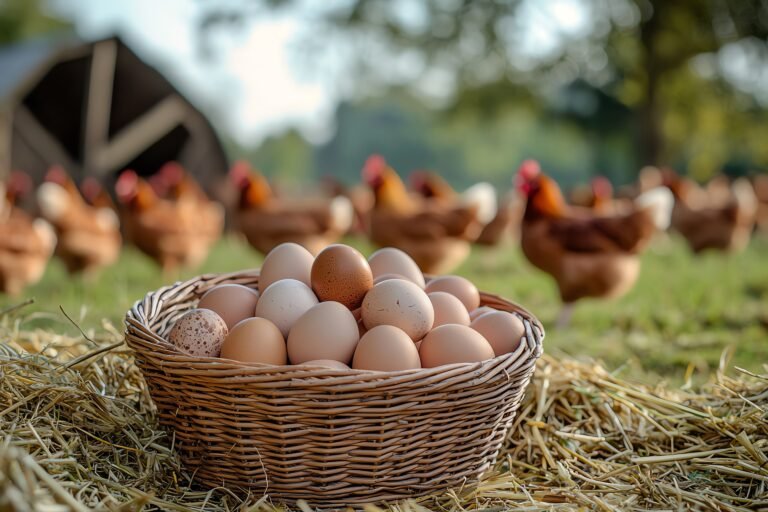
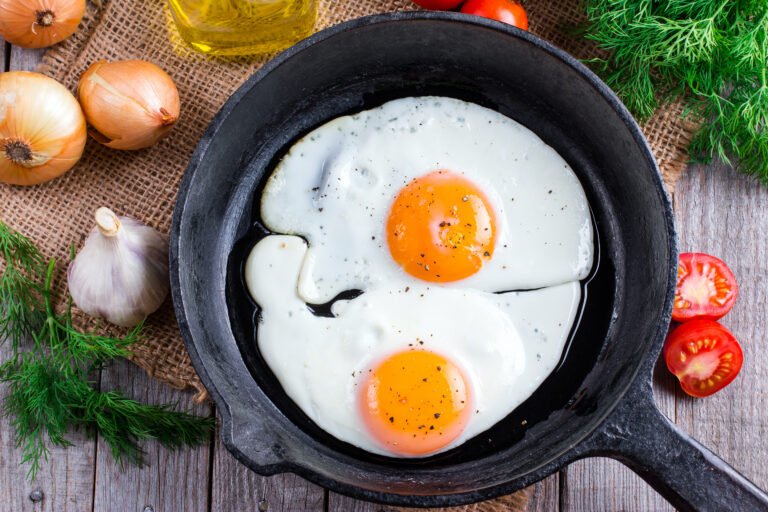
Fortified eggs are eggs that contain higher levels of selected nutrients through carefully managed poultry nutrition and farming practices. Their nutritional composition depends on factors such as the hens’ diet, farm management, and access to clean water. This guide explains how fortified eggs are produced, which nutrients can be increased, and how Abhi Eggs approaches its fortified range in India.
What Are Fortified Eggs?
Fortified eggs, also called enriched eggs, are eggs with higher levels of specific nutrients than regular eggs. This enrichment is achieved through carefully planned hen nutrition, along with appropriate farm management and water quality practices, rather than by adding nutrients directly to the egg.
At Abhi Eggs, the aim is to make nutrient enrichment meaningful in everyday diets. For example, if the daily requirement of a nutrient is 100 IU, the goal may be to provide around 70–80 IU through an egg, wherever achievable. This can help make eggs a more valuable source of selected nutrients as part of a balanced diet.
Regular eggs can also provide essential nutrients, but the amounts may vary depending on factors such as the hens’ diet and farming practices.
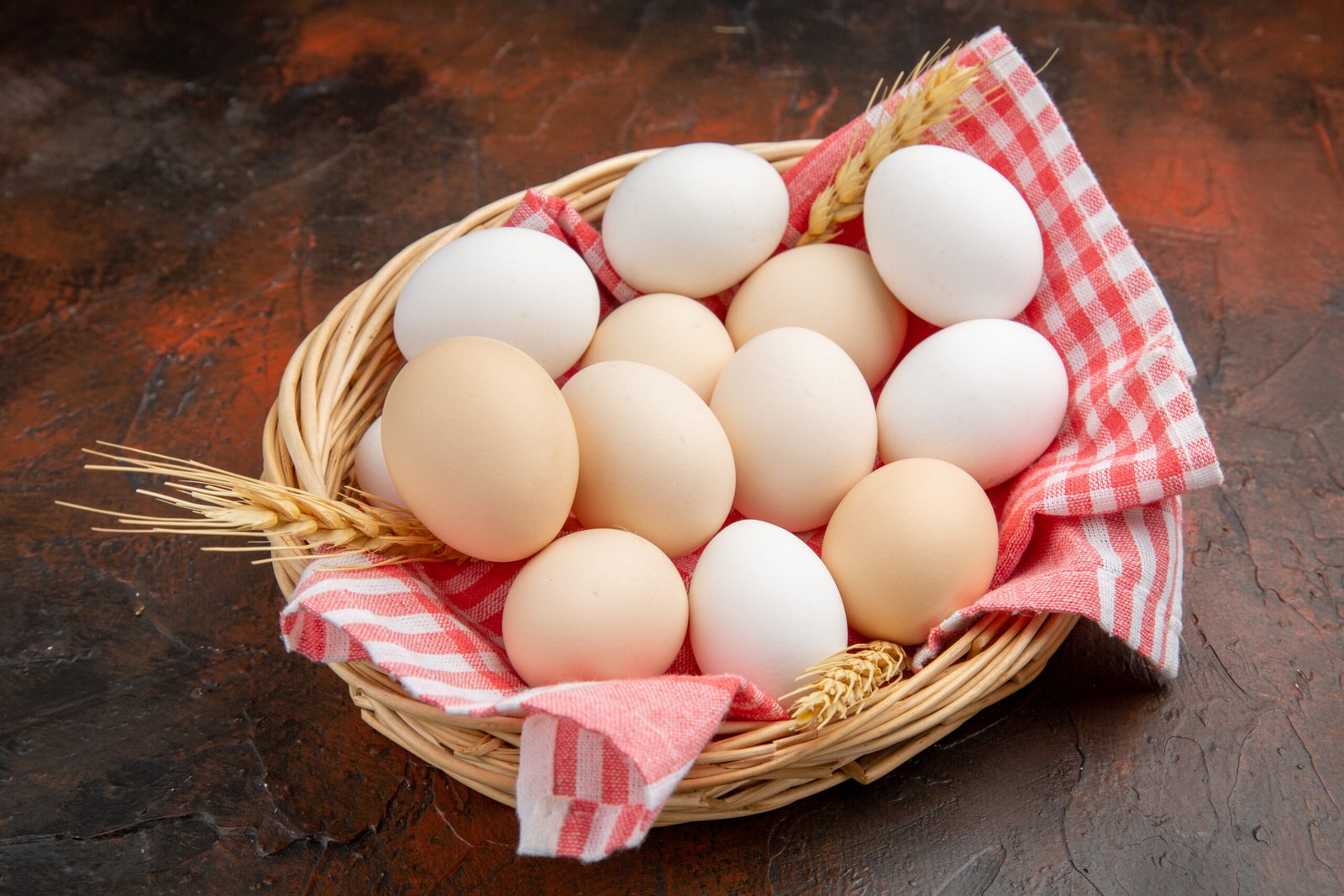
How Are Fortified Eggs Made Through Hen Feed?
The method rests on a simple fact: a hen’s diet shapes the nutrient content of her eggs. Researchers have shown that raising a hen’s dietary vitamin D3 raises the vitamin D in her eggs, and that feeding omega-3 sources raises the omega-3 in the yolk.
Step 1: Designing the Hen’s Diet
Nutritionists build a feed that meets the hen’s needs and includes the nutrients the farm wants to raise in the egg, such as vitamin D3, vitamin E, vitamin B12, selenium, zinc or an omega-3 source.
Step 2: Nutrients Move From Feed to Egg
The hen digests the feed and absorbs the nutrients. As the yolk forms, some of these nutrients are deposited into it. This is why the same hen can lay a nutritionally different egg when her feed changes.
Step 3: Consistent Feeding and Testing
Because the effect depends on what the hen eats every day, consistency matters. Farms that fortify through feed need to keep the diet steady and test their eggs to confirm the results.
Why This Is Different From Adding Nutrients Afterwards
Fortification through feed happens inside the hen. Nothing is injected into or added to the egg after laying, which is why fortified eggs look, cook, and taste like regular eggs.
Which Nutrients Can Be Added Through Hen Feed?
Several nutrients can be raised in the egg when they are included in the hen’s diet:
- Vitamin D3: a fat-soluble vitamin that hens deposit in the yolk when it is in their feed.
- Vitamin E and selenium: antioxidant nutrients that can be raised through feed.
- Omega-3 fats: flaxseed raises plant-based ALA in the egg, while algae can raise DHA directly.
- Vitamin A: also influenced by the hen’s diet.
How Does Abhi Eggs Make Fortified Eggs?
At Abhi Eggs, fortification starts with the hen’s diet on our 20-acre farm in Ravulapalem, Andhra Pradesh.
What Our Hens Eat
Our hens are fed a scientifically formulated vegetarian diet that includes premium grade corn, soya meal, til cake, rice bran, sunflower seeds, and flaxseed, along with supplements such as selenium, omega DHA from algae, and vitamin D3. They also drink ozonized water.
The Abhi Eggs Fortified Range
- Vitamin D3 Eggs: according to our product data, around two eggs carry 1075.4 IU of vitamin D3, about 10 times more than other eggs, along with Vitamin A, Vitamin E, Vitamin B12 and selenium.
- D.O.S.E Eggs: our most complete range, with Vitamin D3, Omega DHA 3.6.9 (around 400 mg of omega DHA per egg), Vitamin E, and selenium.
- Nutri+ Eggs: fortified with Vitamin A, Vitamin E, and selenium.
- Gold+ Eggs: a brown-shelled option fortified with Vitamin A, Vitamin E, and selenium.
Are Fortified Eggs Safe, and Do They Taste Different?
Fortified eggs are eaten and cooked exactly like regular eggs. Because the nutrients are raised through feed, taste, appearance, and cooking are unchanged.
For most people, two eggs a day fits within a balanced diet, and children typically do well with one egg daily. Introduce eggs to infants on a paediatrician’s advice, and speak to your doctor if you have a medical condition that affects what you should eat.
Why Do Fortified Eggs Matter in India?
Vitamin D shortfalls are widely reported in India, and many everyday meals contain little direct omega DHA. For people who already eat eggs, fortified eggs offer a food-based way to add these nutrients without changing the routine. They work best alongside a balanced diet.
How Do You Choose Fortified Eggs?
Not every “enriched” label means the same thing, so look for proof:
- Check the stated nutrient values. A brand should tell you what is added and how much.
- Look for test reports. Published lab reports show the claims are verified.
- Choose a traceable farm. Knowing where and how the hens are raised builds trust.
You can find our test reports here.
Conclusion
Fortified eggs are made naturally through hen feed: the diet goes in, the nutrients reach the yolk, and nothing is added to the egg afterwards. That makes them a simple, familiar way to raise nutrients like vitamin D3 and omega DHA. Choose a brand that shows its numbers and its testing, and enjoy your eggs the way you always have.
Frequently Asked Questions
- What are fortified eggs?
Fortified eggs are eggs with higher levels of specific nutrients, such as vitamin D3 or omega-3, because the hen’s feed was designed to include them.
- How are fortified eggs made?
They are made by adjusting the hen’s diet. The hen absorbs the added nutrients and deposits them in the yolk, so nothing is added to the egg after it is laid.
- Are fortified eggs natural?
Fortified eggs are produced by changing the hen’s feed, not by injecting or treating the egg. The nutrients pass through the hen’s own body into the egg.
- Do fortified eggs taste different from regular eggs?
No. Because fortification happens through feed, taste, appearance, and cooking are unchanged.
- How many fortified eggs can I eat a day?
Two eggs a day is comfortable for most people within a balanced diet. If you have a medical condition, check with your doctor first.