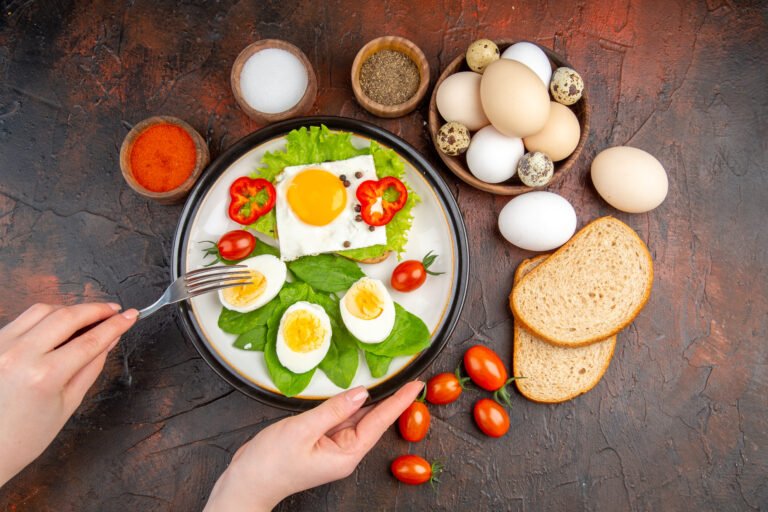
An average egg contains around 70 to 75 calories, making it one of the most nutrient-dense, low-calorie foods you can eat. Whether you like them boiled, scrambled or poached, eggs deliver high-quality protein, vitamin D, vitamins A, E, and B12, omega-3 fatty acids, iron and choline, all for a very small calorie cost. Below is a full breakdown of exactly how many calories you are getting, by size and by cooking style.
How Many Calories in An Egg?
An average-size egg contains 74 calories, or 310 kJ. This is often the egg size found within the 700-gram cartons that the majority of people buy. A smaller egg from a 600 gram carton contains 64 calories, or 268 kJ. A larger-than-average egg from an 800-gram carton contains 84 calories, or 352 kJ.
| 1 egg (52g) | %DI | Average quantity per 100g | Average quantity per serving (2 Organic Eggs) | |
| Kilojoules | 310kJ | 7% | 596kJ | 620kJ |
| Calories | 74 Cal | 7% | 142 Cal | 148 Cal |
| Protein | 6.3g | 25% | 12.2g | 12.7g |
| Fat, total | 5.2g | 15% | 9.9g | 10.3g |
| – saturated | 1.7g | 14% | 3.3g | 3.3g |
| Carbohydrate | 0.7g | <1% | 1.4g | 1.4g |
| – sugars | 0.15g | <1% | 0.3 g | 0.3g |
| Sodium | 70mg | 6% | 136mg | 141mg |
% Daily Intake. Based on an average adult diet of 8700kJ.
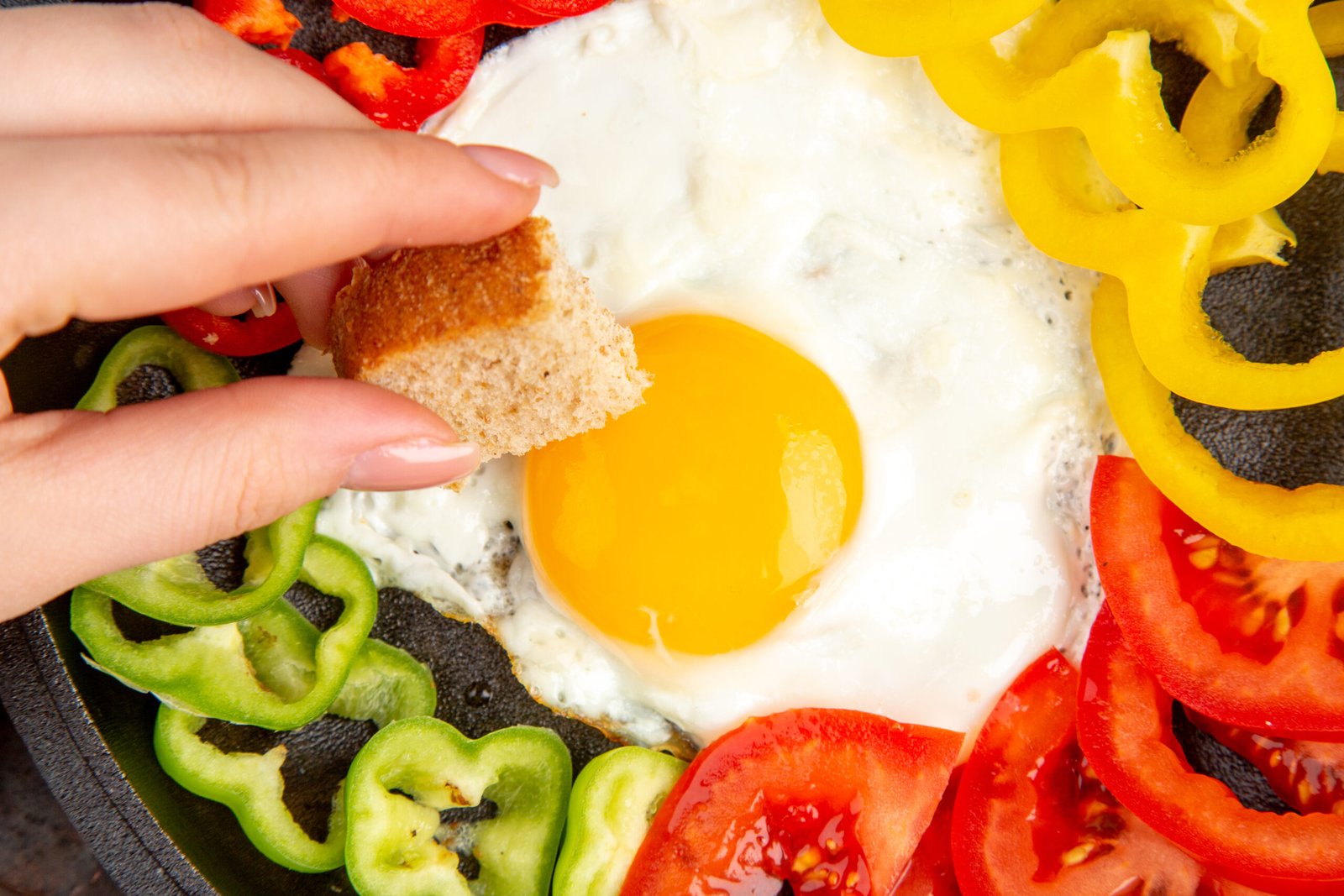
How Many Kilojoules in An Egg?
- An average-sized egg from a 700 gram carton contains 310 kilojoules. However, the precise number of kilojoules depends on the dimensions of the egg.
- A slightly smaller egg from a 600 gram carton contains 268 kilojoules.
- A slightly larger egg from an 800 gram carton contains 352 kilojoules.
How Many Calories in Two Organic Eggs?
An average serving size of two Organic Eggs contains only 148 calories or 620 kilojoules – roughly equivalent to two apples.
How Many Calories in An Egg White?
Egg white is the thick, cloudy clear liquid that surrounds the yolk. Depending on the size of the egg, the white (called albumen) accounts for about two-thirds of an egg’s liquid weight and contains about half the entire protein. The white of a 60-gram egg contains about 17 calories. While the albumen may be a great source of protein and contains no fat, many of the egg’s nutrients and almost half the protein is found within the yolk. Dietitians recommend eating whole Organic Eggs for the utmost nutritional benefit, and up-to-date studies show eating whole Organic Eggs instead of egg whites promotes muscle development after exercise.
How Many Calories in a Boiled Egg?
Whether it’s a soft coddled egg with breakfast or featured in salads, sandwiches and curries, boiled Organic Eggs are one among the healthiest and easiest ways to eat Organic Eggs.
A 60g coddled egg contains only 74 calories or 310 kJ.
How Many Calories in a Poached Egg?
Who doesn’t love a wonderfully poached egg? And since they’re cooked in predicament, poached Organic Eggs are likely to contain fewer calories than Eggs that are scrambled or fried.
A typical 60g poached egg contains 74 calories or 310 kJ.
How Many Calories a Fried Egg?
The number of calories in fried Organic Eggs depends on the quantity and sort of oil, butter, or margarine (if any) that’s utilized in the frypan. Generally, using oil, butter, or margarine will result in a dish having more calories than a boiled or dropped egg.
However, there are numerous variables; it’s impossible to supply a definitive number of calories for a dish. The oil type e.g. olive, canola, sunflower, how refined or processed it’s , what proportion is employed , and the way high the temperature of the oil goes within the cooking process can all influence the health benefits of fried Organic Eggs.
How Many Calories in Scrambled Organic Eggs?
Scrambled Organic Eggs are one among the simplest and tastiest dishes to make, but they’re likely to contain more calories than boiled or poached Organic Eggs, as recipes typically call for milk and butter.
As with fried Organic Eggs, it’s hard to estimate what percentage extra calories it adds because it depends on the quantity and sort of milk that’s added to the beaten Organic Eggs and the way much butter or oil (if any) is added to the pan.
People counting calories as a part of a strict diet could also be better off eating boiled or poached Organic Eggs that contain fewer calories. However, there’s no reason to avoid scrambled Organic Eggs either because the calories are often controlled by the sort and amount of ingredients you add. to stay the calorie content low, use a little amount of reduced-fat milk when mixing the Organic Eggs and cook using just a little amount of oil or butter in the pan.
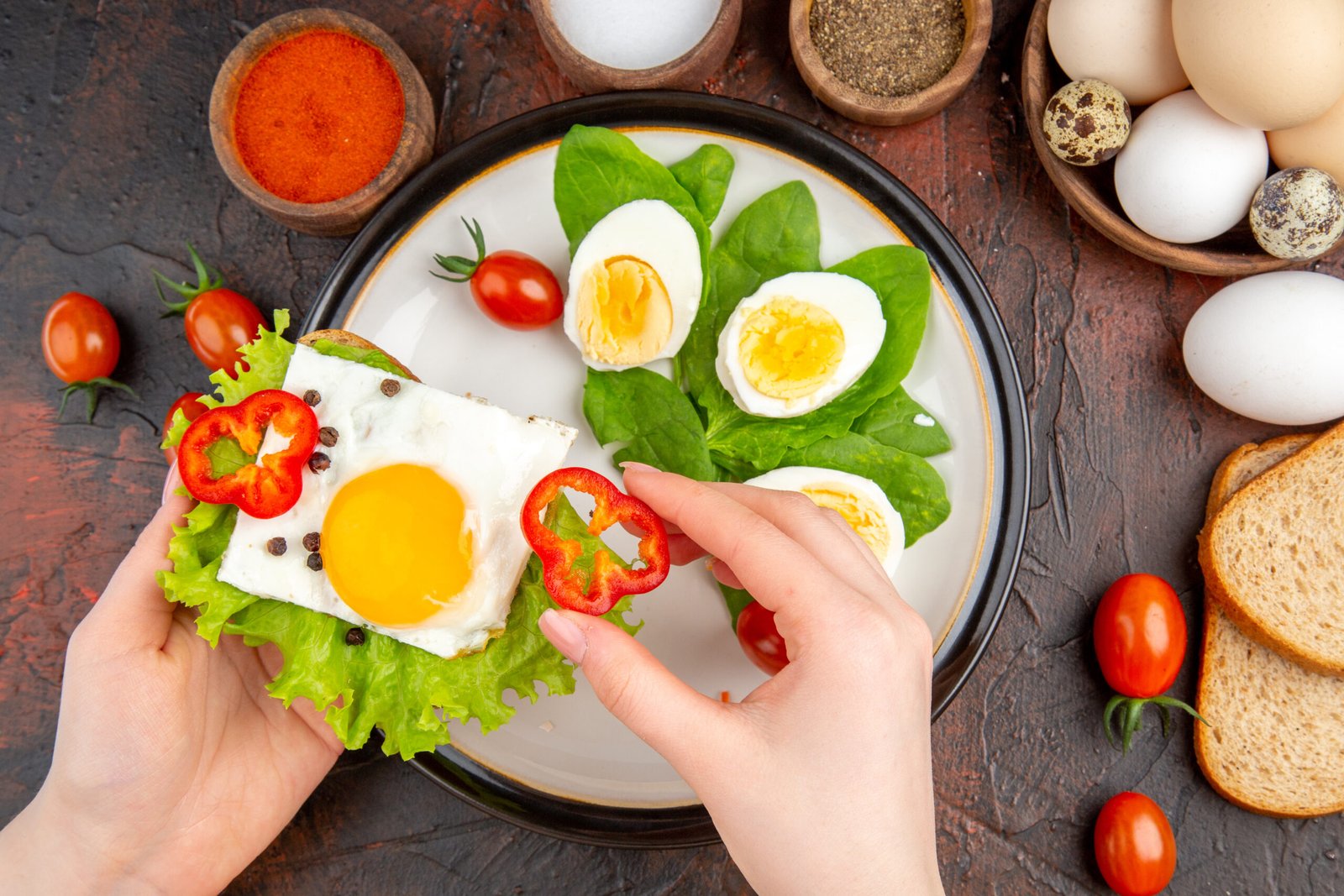
How to Keep Egg Calories Low?
- Choose boiled or poached. Both add zero extra calories during cooking, unlike frying or scrambling.
- Go easy on the fat. If you are frying or scrambling, use a small amount of oil or butter rather than a generous pour.
- Skip the full cream milk. A splash of reduced fat milk in scrambled eggs cuts calories without much change in texture.
- Keep the yolk. Removing the yolk saves a modest number of calories but also removes most of the egg’s actual nutrition, generally not a useful tradeoff.
- Watch your portion, not just your method. Three fried eggs will always add up to more than one, regardless of how carefully they are cooked.
Conclusion
At around 70 to 75 calories each, eggs remain one of the most efficient foods you can eat, delivering high-quality protein and a long list of vitamins and minerals for very little calorie cost. How you cook them matters more for the calorie count than the egg itself, so boiled or poached is your best bet if you are counting closely. Explore the full nutrient breakdown of an egg, or read more about the benefits of farm-fresh eggs from Abhi Eggs.
FAQs
1. an organic egg lower in calories than a regular egg?
No, calorie content comes down almost entirely to egg size, not whether the hen was fed an organic diet, so an organic egg and a regular egg of the same size carry roughly the same calories.
2. How many calories are in 2 boiled eggs?
Two medium boiled eggs contain around 144 calories in total, making them a filling, protein-rich snack or breakfast addition without a heavy calorie cost.
3. Which cooking method has the fewest calories?
Boiled and poached eggs have the fewest calories since no oil, butter, or milk is added during cooking, while fried and scrambled eggs pick up extra calories depending on how much fat is used.
4. Does egg size significantly change the calorie count?
Yes, a small egg and an extra large egg can differ by around 20 calories, so if you are tracking intake closely, it is worth checking the size of the eggs you are actually using.
5. Are eggs good for a weight loss diet?
Yes, eggs are high in protein relative to their calorie count, which helps you feel full for longer, making them a useful food to include as part of a calorie-controlled diet.