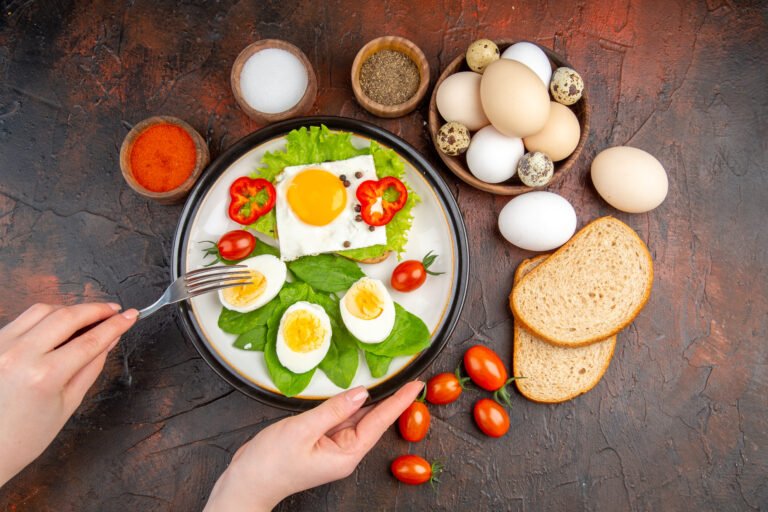
Choline is an essential nutrient most people have barely heard of, yet it plays a real role in brain function, liver health and healthy pregnancy outcomes. Eggs are one of the richest everyday sources of choline, providing more than double the amount per 100g compared to most other commonly eaten foods. Here is exactly what choline does, how much you need, and where eggs fit into meeting that need.
What Is Choline?
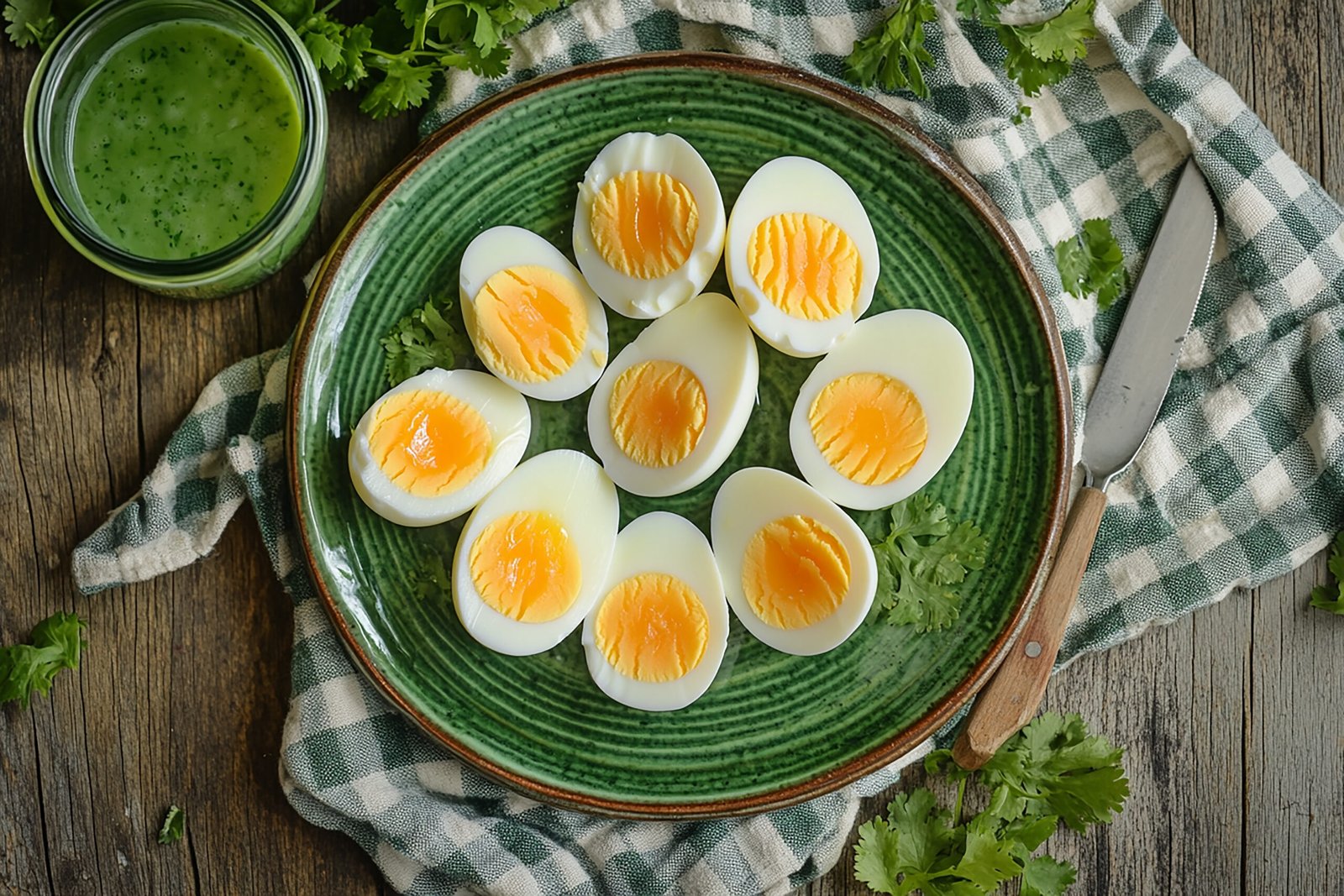
Choline is a nutrient your liver produces in small amounts, but not nearly enough to meet your daily needs, so the rest has to come from food. It functions similarly to the B vitamins and is often grouped alongside them. Research links choline to healthy brain and spinal cord development during pregnancy, cognitive development in infants, and may help slow cognitive decline in older adults. Despite this, choline has historically been one of the more overlooked nutrients in everyday diet advice.
Choline and Pregnancy
Choline is especially important during pregnancy and breastfeeding, given its role in healthy brain and spinal cord development. It may help lower the risk of certain birth defects and supports foetal cognitive development, working alongside folate and folic acid rather than replacing them. For more detail on eating eggs safely during pregnancy, see our full guide on eggs during pregnancy.
Benefits of Choline
Choline is important for a variety of reasons, including:
- Helping to make fats that support the structural integrity of cell membranes and contribute to strong cell membranes.
- Helping to make a substance that’s essential for removing cholesterol from the liver and sending it into the bloodstream to use for energy.
- Contributing to methylation, a metabolism that helps your body repair and produce DNA.
- Helping produce acetylcholine, which is a crucial neurotransmitter that’s needed for muscle control, memory, focus, and heartbeat regulation, among other basic functions.
How Much Choline Do You Need?
The National Health and Medical Research Council sets out recommendations for choline intake, which vary by age and gender.
For adults, the Adequate Intake (AI) is 425mg for ladies and 550mg per day for men. This AI is merely a suggestion as there’s currently insufficient research to set a specific recommended dietary intake (RDI).
Do Eggs Have Choline?
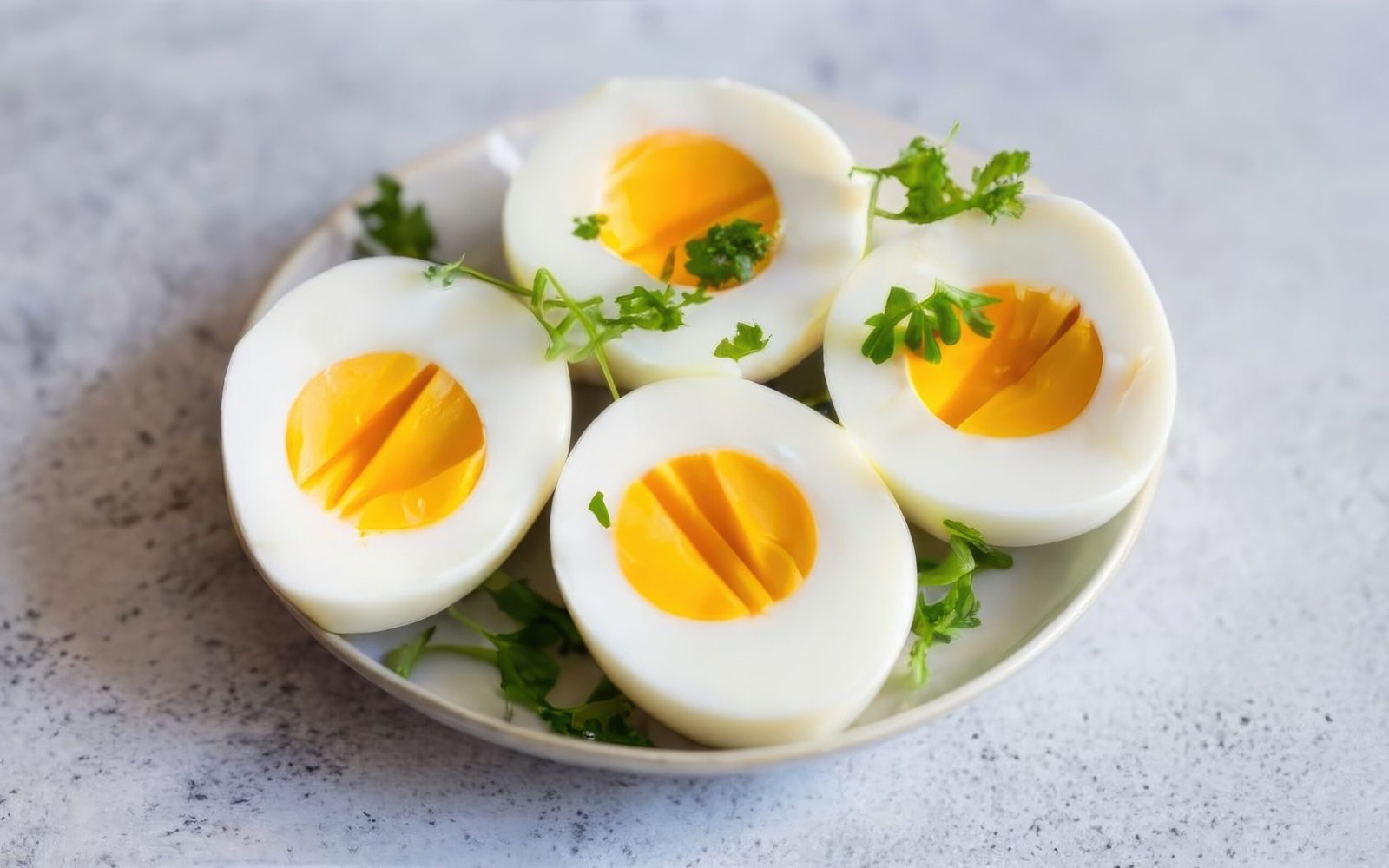
Eggs are the foremost common sources of choline within the diet, providing quite double the quantity of choline per 100g than the other commonly eaten food.
Along with a number of other nutrients and vitamins, one large boiled egg contains 164mg of choline. This provides about 30-36% of your daily requirement. The ingredient is vital as albumen doesn’t contain any choline.
Other Choline Rich Foods
Choline also can be found in foods like meat, fish and milk, also as some green vegetables and whole grains. Other choline rich foods include:
- Beef or liver
- Fish and shellfish, including cod, salmon, and tuna
- Cauliflower, broccoli, brussels sprouts, cabbage, and peas
- Soybean oil
- Tofu
- Quinoa
- Carrots
Conclusion
Choline rarely gets the attention it deserves, given how much it does for brain function, liver health and healthy pregnancy outcomes. Eggs remain one of the easiest, most efficient ways to meet your daily choline needs, alongside the wider range of vitamins in eggs. Explore the full benefits of farm fresh eggs from Abhi Eggs, or check our range of eggs to find the option that fits your routine.
FAQs
Can vegetarians get enough choline without eggs?
Yes, though it takes more planning. Tofu, soybean oil, quinoa, cauliflower, broccoli and peas all contribute choline, but you generally need larger portions of these to match what one or two eggs provide.
Does cooking eggs reduce their choline content?
Choline is fairly stable during normal cooking, so boiling, poaching, scrambling or frying an egg does not meaningfully reduce its choline content.
Can you have too much choline?
It is possible at very high intakes, generally from concentrated supplements rather than food, with a tolerable upper limit set well above what anyone would get from eating eggs as part of a normal diet, so there is no real risk from eating eggs regularly.
Is choline the same as folate?
No, they are different nutrients that both matter during pregnancy. Folate is a B vitamin most associated with preventing neural tube defects, while choline supports brain and spinal cord development in a related but separate way, which is why doctors recommend covering both.
How many eggs do I need to eat to meet my daily choline needs?
Around 3 eggs a day would cover most of an adult woman’s requirement, and a little over 3.5 for an adult man, though choline from other foods in your diet adds up too, so you rarely need to rely on eggs alone.