Eggs are one of the most practical foods for building muscle in India. They are affordable, easy to cook, and deliver complete, high-quality protein in every serving. This guide explains how egg for muscle building works, how many eggs you need, and how to fit them into your training routine.
Are Eggs Good for Muscle Building? The Quick Answer
Yes. A large egg provides around 6 grams of complete protein, including leucine, the amino acid that signals your muscles to start repairing and growing. Egg protein is also well absorbed, which means your body uses most of what you eat. Unlike plain protein powders, eggs also bring vitamins and healthy fats, which makes them a food-first option for anyone training regularly.
Why Do Eggs Work for Muscle Building and Recovery?
Complete Protein With All Nine Essential Amino Acids
Your body cannot make essential amino acids, so they must come from food. Eggs contain all nine, which is why nutrition guidelines treat egg protein as a benchmark for quality.
Whole Eggs vs Egg Whites: Which Is Better?
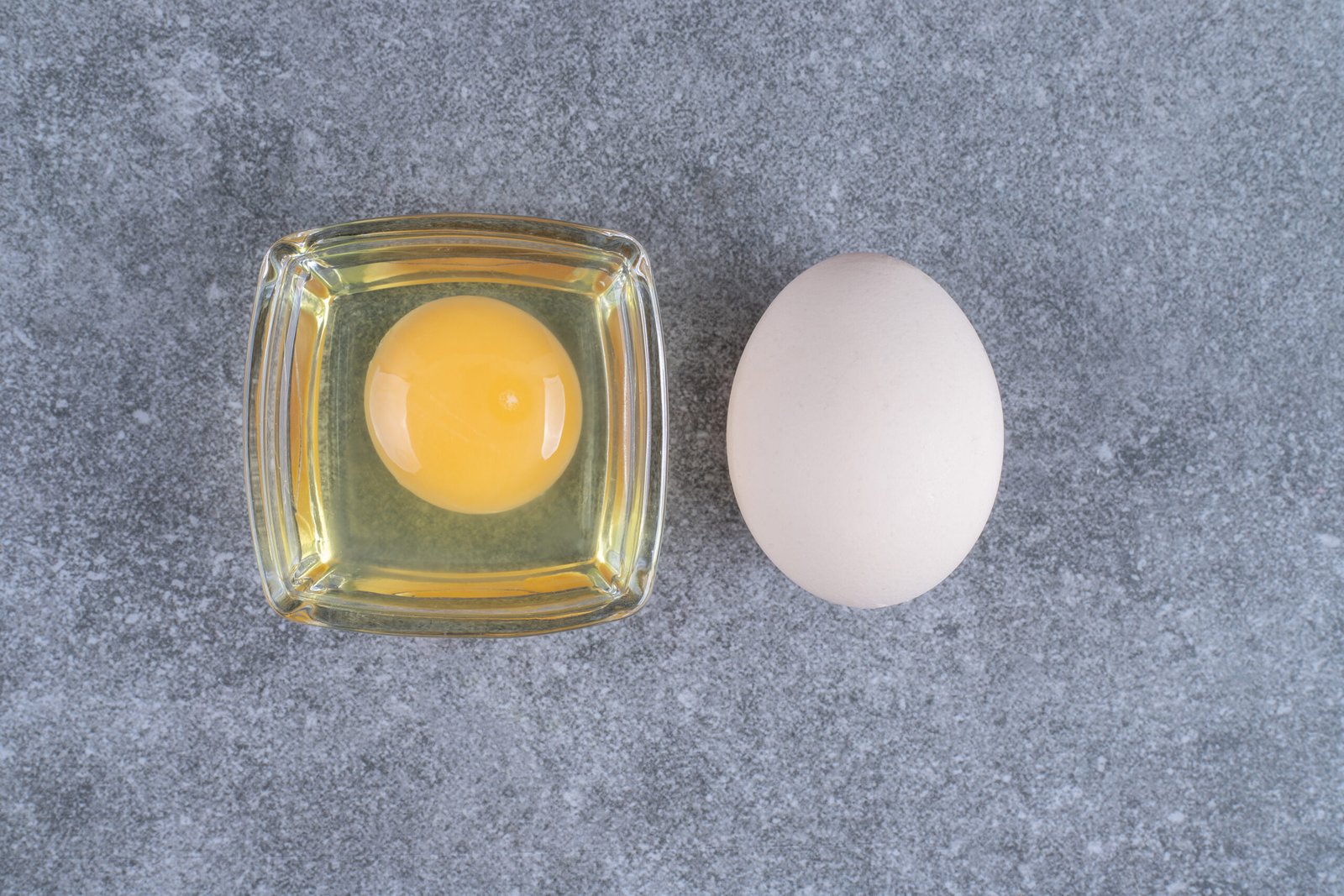
Egg whites and egg yolks contain nearly equal amounts of protein, but the yolk holds much of the egg’s other essential nutrients. Research comparing the two found that whole eggs stimulated muscle protein synthesis more effectively than egg whites alone, even when both provided the same amount of protein.
- Whole eggs give you protein plus the vitamins, choline, and healthy fats that sit in the yolk, which is why they suit muscle building and recovery best.
- Egg whites are lean protein with very few calories, which makes them useful when you are tightly managing calories.
For muscle building, whole eggs are the better default. If you eat extra egg whites to boost protein, add one or two whole eggs alongside them.
How Much Protein Does One Meal Need?
Studies suggest that about 20 to 25 grams of protein per meal gives muscles a strong building signal. That is roughly 3 to 4 whole eggs, or fewer eggs paired with another protein like dal, paneer, or curd.
What Else in an Egg Supports Recovery?
Protein is only part of the story. Eggs contain several nutrients that support the body while it recovers from training.
Vitamin D3 and Muscle Function
Vitamin D supports muscle strength and bone health, and low levels are common among Indians who train indoors or early in the morning. A regular egg contains only a small amount, while Abhi Eggs’ Vitamin D3 range carries around 1075 IU per egg, close to 10 times more than a regular egg.
Omega DHA and Inflammation
Most healthy adults can eat 2 to 4 whole eggs a day as part of a balanced diet. The standard daily protein requirement is around 0.7 to 0.8 grams per kilogram of body weight, while people who are physically active or building muscle may need around 1 to 1.3 grams per kilogram of body weight daily.
Selenium, Vitamin E, and B12
Selenium and Vitamin E act as antioxidants that help protect cells during intense exercise, while Vitamin B12 supports energy metabolism. Abhi Eggs’ fortified range is enriched with Vitamin A, Vitamin E, and selenium for this reason.
How Many Eggs Should You Eat for Muscle Building?
Most healthy adults can eat 2 to 4 whole eggs a day within a balanced diet. Active people building muscle often need 1.2 to 2 grams of protein per kilogram of body weight daily, well above the standard recommendation for sedentary adults.
Eggs should be one part of that total, not all of it. A practical split looks like this:
- Breakfast: 2 to 3 eggs scrambled or poached eggs
- Lunch and dinner: dal, paneer, curd, chicken, egg whites
- Post-workout or snack: 2 boiled eggs
How to Eat Eggs for Muscle Building
How you cook and time your eggs makes them easier to stick with.
- Eat protein within a couple of hours after training. Boiled eggs travel well and need no preparation.
- Spread eggs across the day. Smaller, regular servings work better than one large serving.
- Cook them with little oil. Boiled, poached, or a light egg bhurji with vegetables keeps calories in check.
- Pair with carbohydrates. Eggs with roti, poha, or rice help refill energy after exercise.
- Keep the yolk. It holds the vitamins and healthy fats that egg whites lack.
Which Abhi Eggs Suit Your Training?
Because the nutrition of an egg depends on the hen’s feed and farm management, the eggs you choose matter. Our hens are raised on a scientifically formulated vegetarian diet with clean, ozonized water, and our range is built for different needs.
- Vitamin D3 Eggs: for lifters and runners who want stronger vitamin D intake alongside protein for bone strength
- D.O.S.E Eggs: Our most complete range, with b12 Vitamin D3, Omega DHA 3.6.9, Vitamin E, and selenium.eggs with all the main nutrition included.
- Gold+ Eggs: a brown-shelled option for consistent daily nutrition This is the brown eggs,
- Nutri+ Eggs: everyday immunity support with Vitamin A, Vitamin E, and selenium. This is for daily nutrition
Conclusion
Egg for muscle building works because eggs combine complete protein, useful vitamins, and everyday convenience. Eat whole eggs, spread them across your day, and pair them with other protein sources and regular training.
For anyone who wants more from every egg, Abhi Eggs’ fortified range adds vitamin D3 and omega DHA to the same reliable protein. Start with your usual breakfast, and let the habit do the work.
Frequently Asked Questions
- Are eggs good for building muscle?
Yes. Eggs provide complete protein with all nine essential amino acids, including leucine, which helps trigger muscle repair and growth.
- How many eggs should I eat a day to build muscle?
Most healthy adults do well with 2 to 4 whole eggs a day, alongside other protein foods. Your total protein need depends on your body weight and training.
- Are whole eggs or egg whites better for muscle gain?
Whole eggs are generally better. Research shows they support muscle protein synthesis more than egg whites with the same protein, and the yolk adds vitamins and healthy fats.
- Is it good to eat eggs after a workout?
Yes. Boiled or scrambled eggs are a convenient post-workout protein, especially when paired with carbohydrates like roti or rice to help replenish energy.
- Do fortified eggs help with muscle recovery?
Fortified eggs add nutrients such as vitamin D3 and omega DHA on top of the egg’s protein, which support muscle function and inflammation. They work best as part of a balanced diet and regular training.