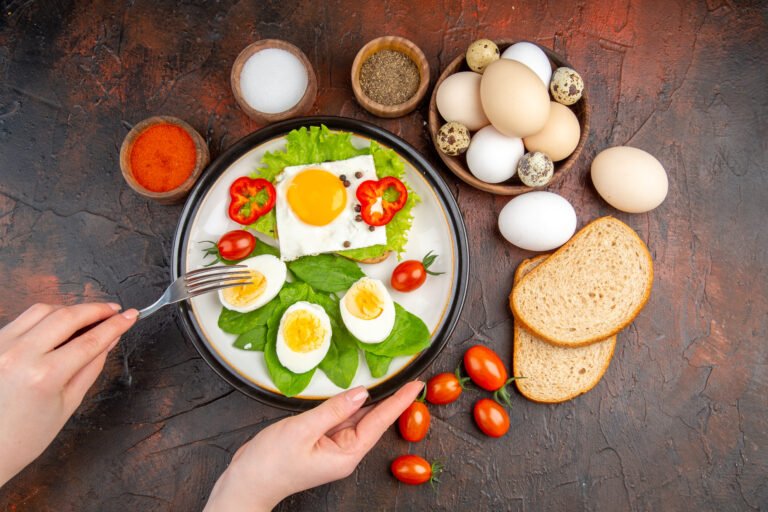
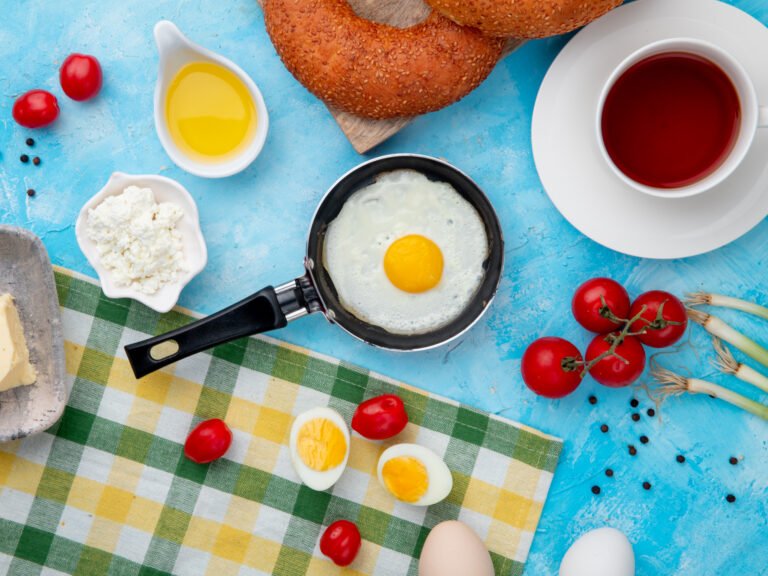
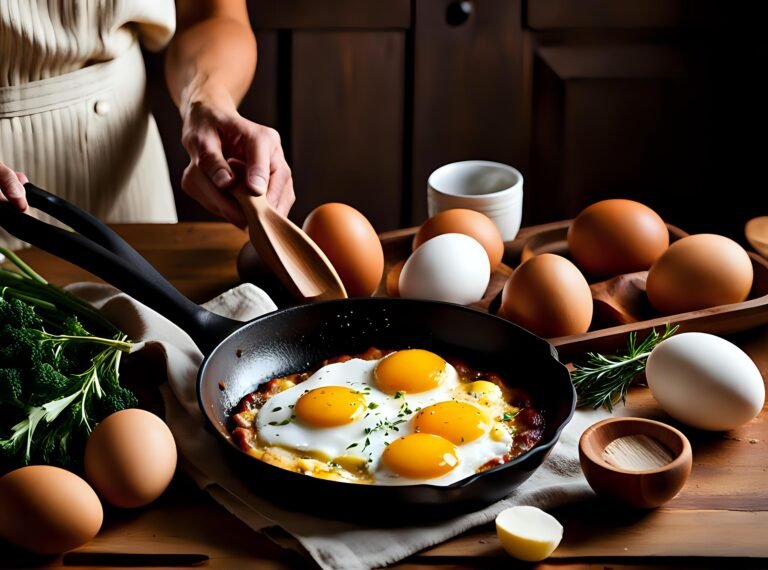
If there’s one ingredient that shows up in almost every kitchen, cuisine, and meal of the day, it’s the humble egg. From a quick breakfast scramble to a rich dessert custard, eggs slide effortlessly between savoury and sweet, simple and gourmet. This is exactly why the egg is often called the most versatile food on the planet, and once you look at how it’s used, cooked, and even farmed, it’s easy to see why.
At Abhi Eggs, we spend every day thinking about what goes into a good egg, from the hen’s diet to the water she drinks to the way the farm is managed. In this blog, we break down why the egg has earned its versatile reputation, what actually makes an egg nutritious, and how choosing the right eggs can make a real difference to your everyday meals.
What Makes the Egg the Most Versatile Food in the World?
Very few foods can be boiled, fried, baked, poached, scrambled, whisked, and blended, and still taste incredible every single time. The egg does all of this and more. Its versatility comes down to three things:
- It works in every course of the meal. Eggs anchor breakfasts, add protein to lunches, bind dinner recipes together, and even show up in cakes, cookies, and ice creams.
- It adapts to every cuisine. Whether it’s a South Indian egg curry, a French omelette, a Japanese tamago, or a simple boiled egg with chaat masala, the egg fits right in.
- It performs multiple culinary functions. Eggs bind ingredients, add moisture, thicken sauces, emulsify dressings, leaven baked goods, and glaze pastries, often all in the same recipe.
This flexibility is exactly why chefs, nutritionists, and home cooks alike consider the egg irreplaceable in the kitchen.
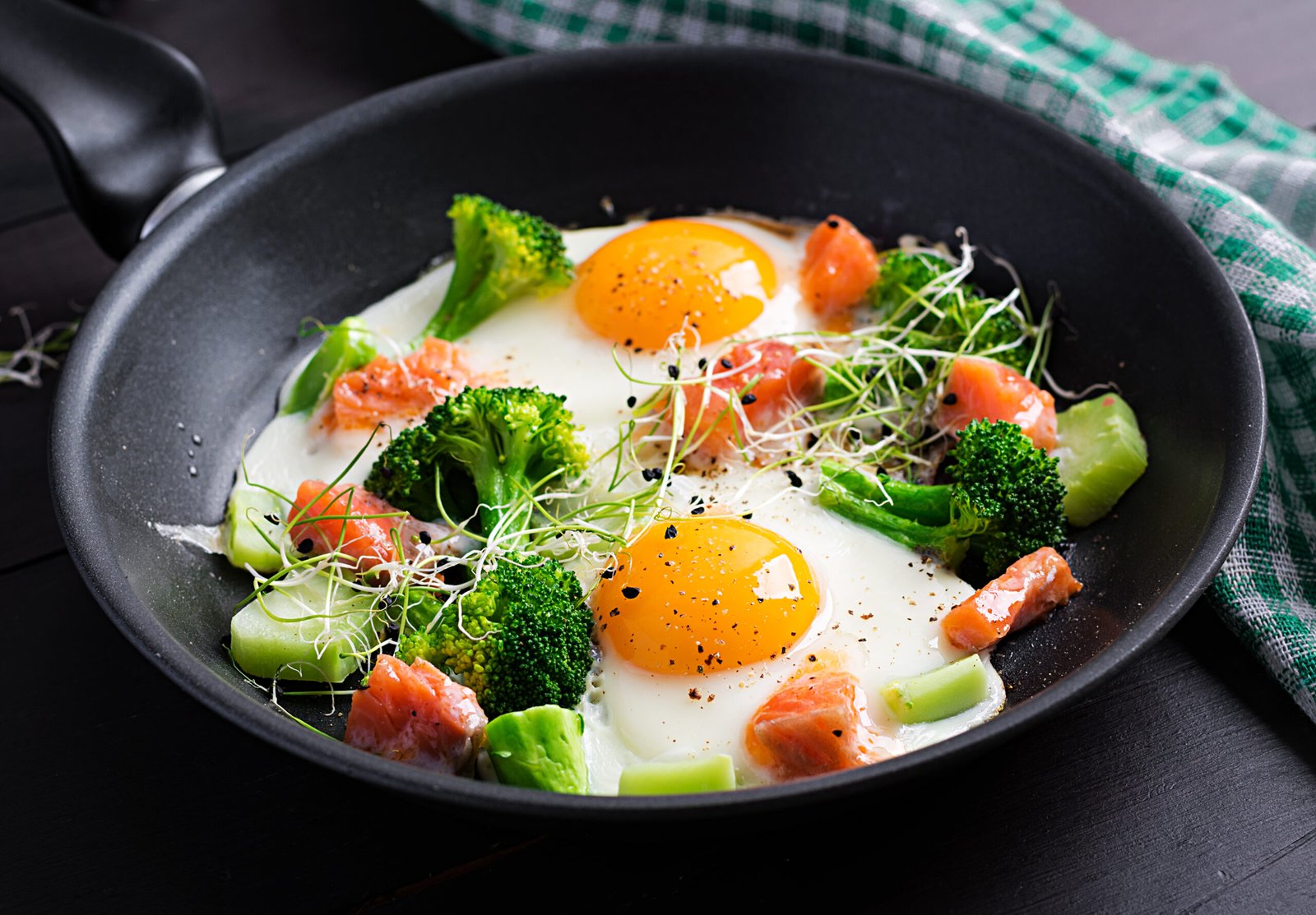
From Breakfast to Dessert: How Eggs Fit Into Every Meal
One of the simplest ways to understand egg versatility is to track it through a single day:
- Morning: Boiled eggs, omelettes, egg bhurji, or a quick egg sandwich to start the day with protein.
- Midday: Egg curry with rice, egg fried rice, or a protein-packed egg salad for lunch.
- Evening snack: Deviled eggs or a spiced egg chaat.
- Dinner: Shakshuka, egg biryani, or a comforting egg drop soup.
- Dessert: Custards, cakes, meringues, and puddings, where eggs provide structure and richness.
No other single ingredient moves this seamlessly across an entire day’s menu, which is a big reason the egg keeps earning the title of the world’s most versatile food.
The Nutrition Behind the Versatility
Eggs aren’t just flexible in the kitchen, they’re nutritionally dense too, which is part of why they fit into so many diets and lifestyles. A single egg delivers high-quality protein along with essential vitamins and minerals, making it a practical choice for growing children, fitness enthusiasts, and anyone looking for balanced everyday nutrition.
That said, not all eggs are nutritionally equal. The actual nutrition of an egg depends heavily on:
- What the hen eats. A hen fed a nutrient-rich, balanced diet produces eggs with better nutritional value.
- The quality of water given to the hens. Clean, treated water plays a direct role in egg quality.
- The farm management system. Hygiene, space, and overall farm practices matter far more than most people realise.
Interestingly, egg quality has nothing to do with shell colour. Brown and white eggs can be equally nutritious, what actually matters is how the hen was raised and fed. This is why understanding the source of your eggs is just as important as knowing how to cook them.
How Abhi Eggs Supports This Versatility With Better Nutrition
At Abhi Eggs, our hens are raised in a clean, pollution-free environment and fed a scientifically formulated, nutri-rich vegetarian diet along with ozonized water, because we believe great eggs start long before they reach your kitchen. This focus on farm management and feed quality is what allows us to offer a range of eggs suited to different nutritional needs, all while keeping the same everyday versatility that makes eggs so popular.
Here’s a quick look at our range:
- D.O.S.E Eggs – Our ultra-premium range, fortified with Vitamin D3 (up to 10x more than regular eggs) and Omega DHA 3-6-9 (with significantly higher Omega 3, 6, and 9 levels), along with immunity boosters like Vitamin E and selenium. Ideal for those wanting an extra nutritional edge in their daily diet.
- Vitamin D3 Eggs – Fortified with Vitamin D3, along with Vitamin A, Vitamin E, Vitamin B12, and selenium to support immunity.
- Nutri+ Eggs – Fortified with Vitamin A, Vitamin E, Vitamin B12, and selenium for everyday immunity support.
- Gold+ Eggs – A multivitamin boost with Vitamin A, Vitamin E, Vitamin B12, and selenium, designed for consistent everyday nutrition.
We also follow cage-free and free-range farming approaches, giving our hens a structured, humane environment to thrive in because how a hen is raised directly shapes the egg you eat.
Simple Ways to Make the Most of Egg Versatility at Home
If you want to experience just how adaptable eggs can be, try building these into your weekly routine:
- Swap one breakfast a week for a protein-rich egg dish instead of a carb-heavy one.
- Use eggs as a binder in homemade cutlets, meatballs, or veggie patties.
- Add a boiled egg to salads or grain bowls for an instant protein boost.
- Bake with fortified eggs to add extra nutrition to cakes and muffins without changing the taste.
- Try one new cuisine’s egg recipe each month, Turkish, Japanese, Mexican, or South Indian to see the sheer range eggs offer.
Conclusion
The egg’s reputation as the most versatile food in the world isn’t an exaggeration; it’s earned through centuries of cooking across cultures, its ability to fit into any meal of the day, and its dense nutritional profile. But versatility means little without quality. How a hen is fed, the water it drinks, and the hygiene of the farm all shape the egg that ends up on your plate.
That’s exactly the gap Abhi Eggs aims to fill, combining the natural versatility of the egg with farming practices and fortified nutrition designed for real, everyday benefit. Whether you’re cooking a simple breakfast or experimenting with a new recipe, choosing the right eggs makes every dish a little better.
Frequently Asked Questions
- Why is the egg considered the most versatile food?
The egg is considered the most versatile food because it can be cooked in dozens of ways: boiled, fried, poached, baked, or scrambled, and used across every meal of the day, from breakfast dishes to desserts, and across virtually every world cuisine.
- Does the shell colour of an egg affect its nutrition?
No, shell colour does not affect nutrition. The nutritional value of an egg depends on the hen’s diet, water quality, and farm management practices, not on whether the shell is brown or white.
- What is the difference between cage-free and free-range eggs?
Cage-free eggs come from hens raised within a structured indoor environment, while free-range eggs come from hens raised in a system that includes both indoor and outdoor access as part of a structured farming process.
- What makes D.O.S.E eggs different from regular eggs?
D.O.S.E eggs are fortified with significantly higher levels of Vitamin D3 and Omega DHA 3-6-9, along with immunity-boosting nutrients like Vitamin E and selenium, offering more concentrated nutritional benefits than a standard egg.
- Can eggs be included in a daily diet for everyday nutrition?
Yes, eggs are a practical source of high-quality protein and essential nutrients, making them suitable for daily consumption as part of a balanced diet, especially when sourced from hens raised on nutrient-rich feed and clean water.
- How does farm management affect the quality of eggs?
Farm management directly affects egg quality through factors like hygiene, hen diet, water quality, and overall living conditions. A well-managed farm consistently produces eggs with better and more reliable nutritional value.